Why Manual Digitizing Beats Auto-Trace Every Time
In the embroidery world, the debate between software automation and human expertise is ongoing. Discover why manual plotting remains the gold standard for quality.
Original Artwork vs. Manual Commercial Sew-Out
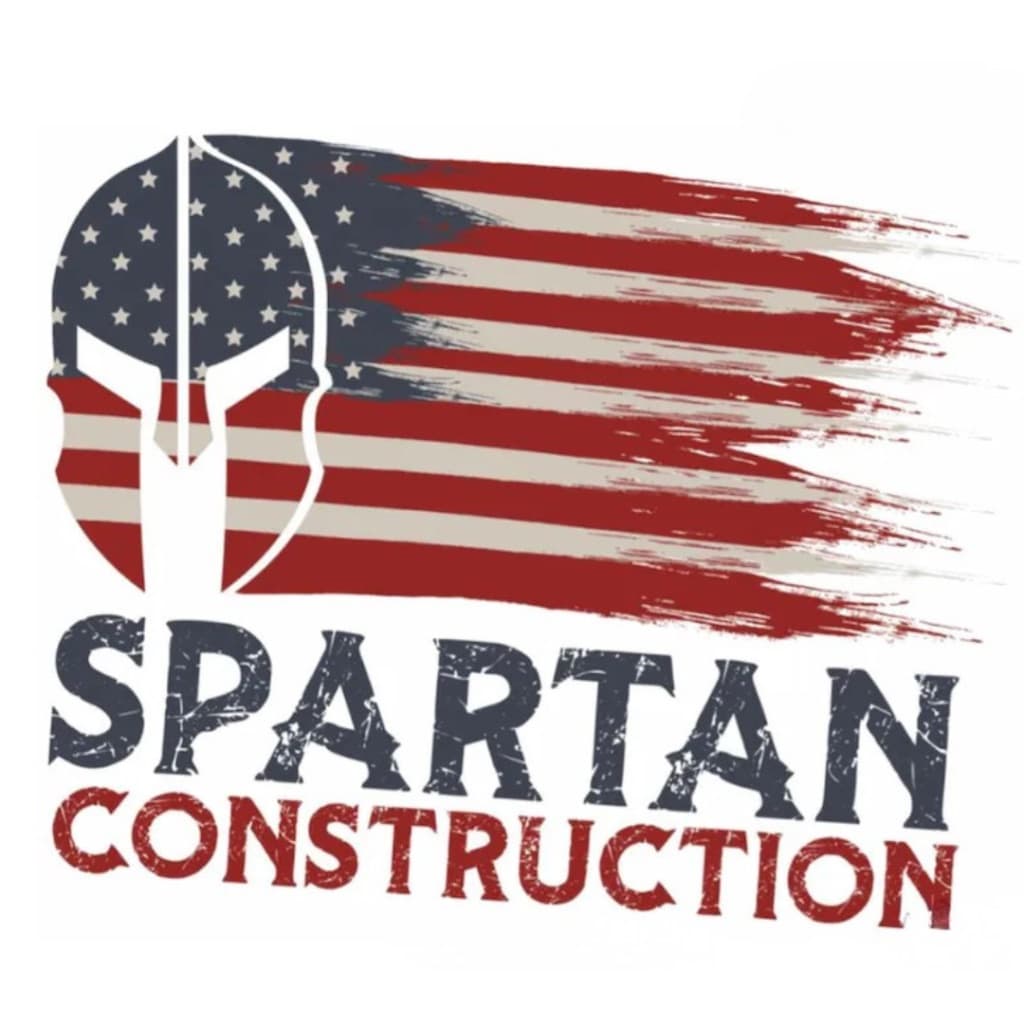
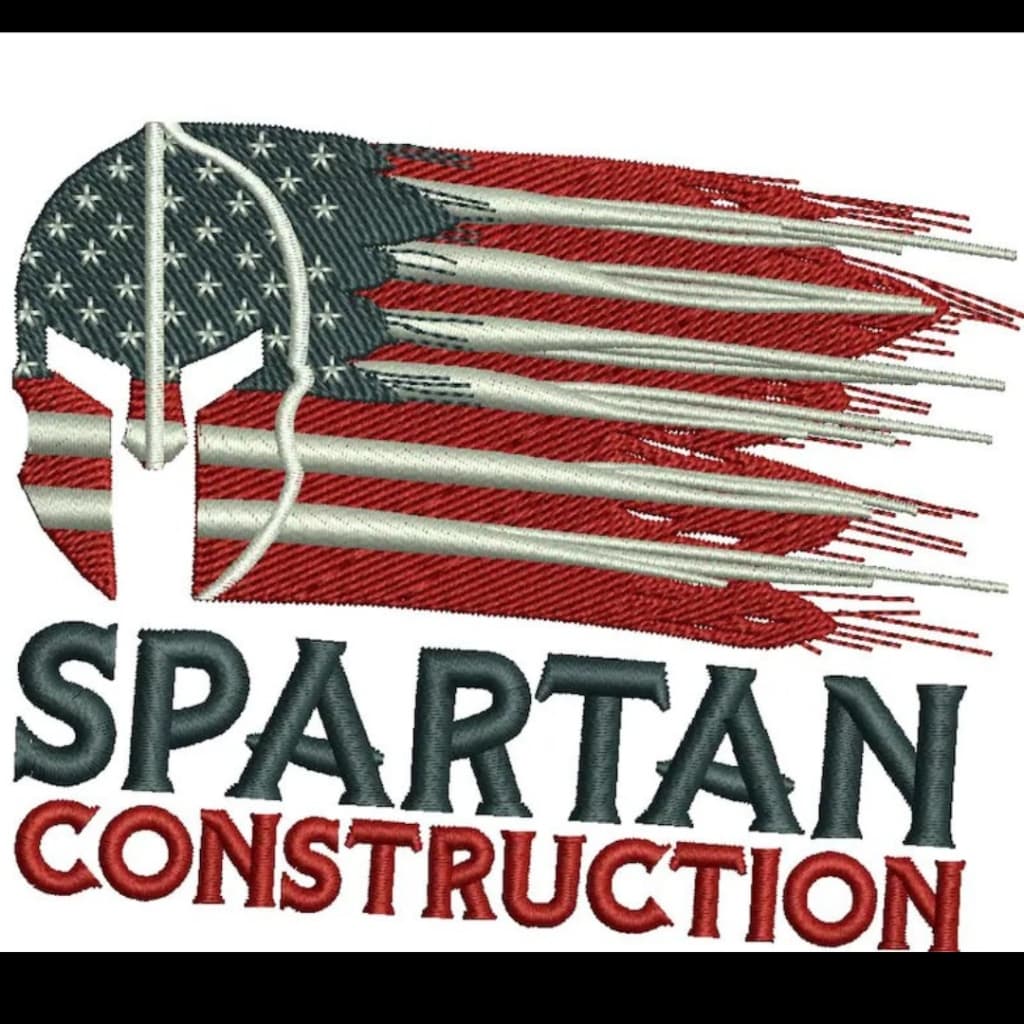
In the commercial embroidery industry, marketing promises of "instant one-click auto-digitizing" are everywhere. But on the factory floor, machine operators know the truth: converting a raster or vector image into an embroidery file is not an image conversion—it is a physical manufacturing simulation. Here is why manual punchers remain the indisputable gold standard.
Auto-trace software interprets pixels as flat 2D color blocks. Human digitizers program needle penetration angles, fabric resistance, thread tension, and underlay architecture so high-speed multi-needle machines can run smoothly without thread breaks or puckering.
1. The Physics of Fabric: Push & Pull Compensation
When an industrial embroidery machine runs at 850 to 1,000 stitches per minute, thread pulls inward along the stitch direction and pushes fabric outward perpendicular to the stitch. If you digitize a perfect circle with standard horizontal stitches, the finished sew-out will look like an oval.
Auto-trace software has no concept of garment physics. It places stitches exactly where pixels sit. A master manual digitizer, however, deliberately extends edges (pull compensation) and accounts for whether the garment is structured twill, stretchy performance polyester, or thick fleece.
2. Stitch Pathing: Machine Runtime & Trim Efficiency
Auto-digitizing algorithms process color blocks arbitrarily. This produces erratic stitch sequencing where the needle hops back and forth across the hoop. The result:
- • Excessive Trims: Each automated jump forces the machine to slow down, trim, tie-off, and re-accelerate—adding 30% to 50% more time per run.
- • Birdnesting & Loops: Frequent unnecessary tie-offs on the underside cause massive clumps of loose thread under the needle plate.
- • Continuous Flow: Manual punchers map entry and exit points seamlessly, using travel stitches under dense fills to eliminate trims altogether.
3. The Invisible Foundation: Underlay Engineering
You never see underlay stitches in the final product, but they dictate 80% of your embroidery quality. Underlay is the lattice skeleton punched into the stabilizer and fabric before top satin or tatami stitches are sewn.
Auto-trace algorithms either skip underlay or apply generic straight lines. Without customized lattice or edge-walk underlay, top stitches sink directly into the knit, creating dull colors, uneven borders, and visible fabric gaps.
4. Tiny Lettering & Small Text Under 5mm
Small text (like website URLs or left-chest slogans) is where automated converters fail most spectacularly. Standard 40-weight embroidery thread cannot physically fit into columns narrower than 0.8mm.
When auto-software tries to cram 3-point satin columns into tiny letters, needles snap and shirts tear. A seasoned human puncher knows when to simplify serifs, widen character spacing, or convert micro-text to crisp running stitches.
| Feature | Auto-Trace Software | PNGtoDST Manual Digitizing |
|---|---|---|
| Pull Compensation | None (causes oval shapes & gaps) | Customized per fabric type & stretch |
| Underlay Lattice | Generic or omitted entirely | Multi-layered edge-run & tatami base |
| Machine Run Time | High (erratic jumping & trims) | Optimized (continuous path routing) |
| Thread Breaks | Frequent needle breaks & jams | 0% break rate on calibrated commercial gear |
| Small Text (< 5mm) | Unreadable clumps | Crisp center-run or open satin |
5. The Bottom Line: Real Cost vs. Perceived Savings
A "free" or $5 auto-converted file that breaks needles, wastes 20 minutes of machine time, and ruins an expensive jacket ends up costing far more than professional digitizing.
By investing in professionally digitized files with calibrated push-pull compensation and zero stray jumps, embroidery businesses save hours on every production run while delivering pristine sew-outs to their clients.
Digitizing Advisory Desk
Verified PuncherEvery guide published on PNGtoDST is authored and reviewed by commercial machine operators with 10+ years of Tajima, Barudan, and Brother production experience.
Turn Your Image into Flawless Stitches
Upload any PNG, JPG, or vector. Our punchers manually digitize every stitch with zero thread breaks and 24-hour delivery.